Creating a relaxing home workspace is essential for anyone who wants to work efficiently and comfortably. Whether you are working from home full-time or just need a quiet spot to handle tasks, the right environment makes a big difference. A well-designed workspace not only helps reduce stress but also boosts concentration and motivation. In this post, we’ll explore practical tips to help you set up a relaxing home workspace.
Why a Relaxing Workspace Matters
Stress and distractions can quickly reduce your productivity. When your workspace is cluttered, uncomfortable, or poorly lit, it’s harder to stay focused. By creating a calming environment, you set yourself up for success. A relaxed atmosphere encourages clear thinking and helps maintain energy throughout your workday.
Choosing the Right Location
Pick a Quiet Spot
Select an area in your home where you can limit noise and interruptions. It could be a spare room, a corner in your living room, or even a part of your bedroom. Choose a spot with minimal foot traffic and outside noise if possible.
Consider Natural Light
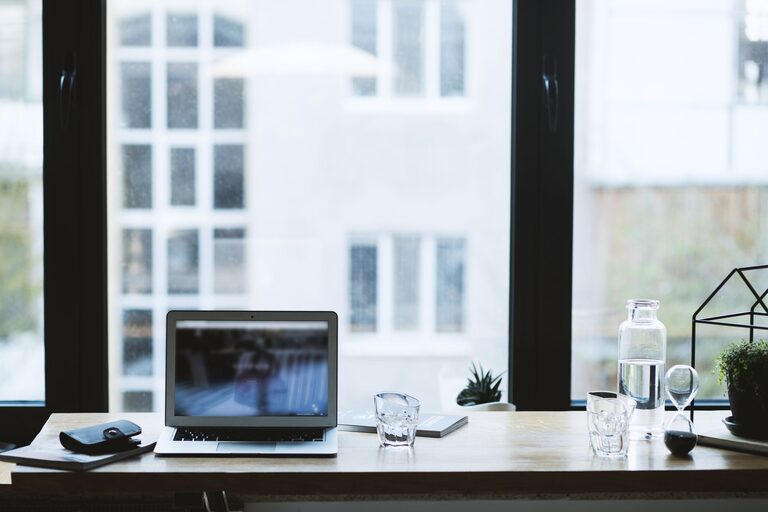
Natural light positively affects mood and energy levels. Position your desk near a window to take advantage of daylight. If natural light is limited, invest in good quality artificial lighting that mimics daylight to keep your space bright and inviting.
Organizing Your Workspace
Declutter Regularly
A cluttered desk can be distracting and overwhelming. Keep only the essentials on your workspace to maintain a clean and peaceful environment. Use drawers, shelves, or storage boxes to organize supplies and paperwork.
Use Ergonomic Furniture
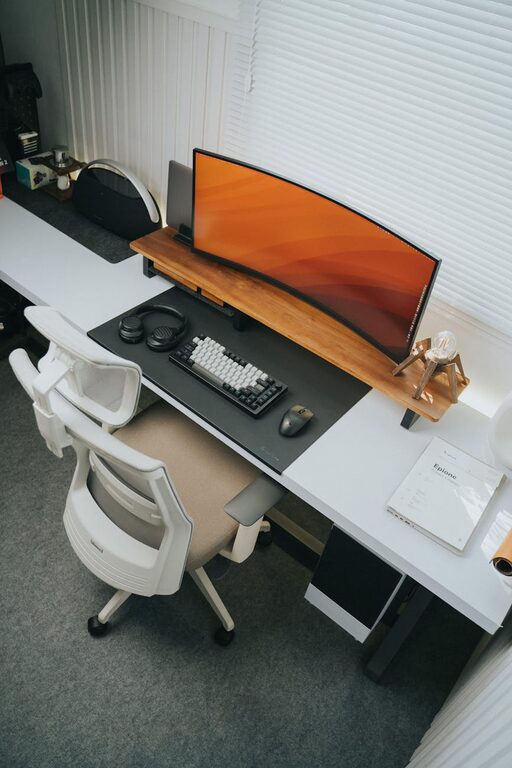
Comfort is key to staying relaxed and productive. Choose a chair that supports your back well and allows your feet to rest flat on the floor. Your desk should be at the right height so your arms rest comfortably when typing or writing.
Adding Comfort and Personal Touches
Incorporate Plants
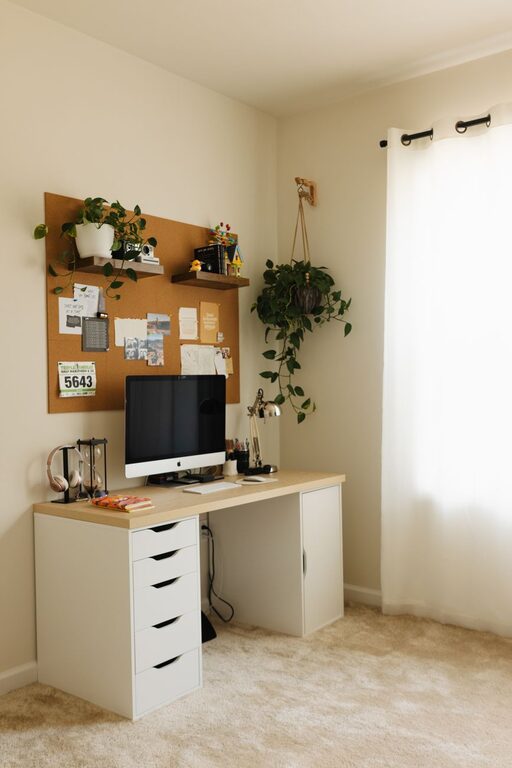
Plants improve air quality and add a touch of nature to your workspace, which can be calming. Choose low-maintenance varieties like succulents, snake plants, or pothos to keep things simple.
Use Soothing Colors
The colors around you affect your mindset. Soft blues, greens, and neutrals are known for their calming effects. Consider painting the walls, or adding accessories like cushions and rugs in these shades.
Manage Noise
If total silence distracts you, try adding soft background sounds. A white noise machine, gentle instrumental music, or nature sounds can help mask distracting noises and create a relaxing atmosphere.
Optimizing Lighting
Balance Brightness
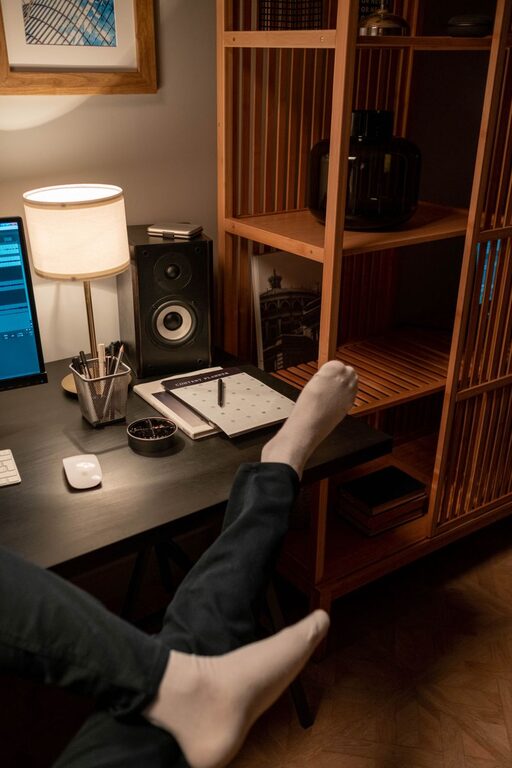
Too much brightness causes eye strain, while too little can make you sleepy. Use adjustable lighting options like desk lamps with dimmers to find the perfect balance depending on the time of day and task.
Avoid Screen Glare
Position your computer screen to avoid glare from windows or lights. Glare can cause headaches and make you less comfortable during long work sessions.
Creating Healthy Habits
Take Regular Breaks
Working for hours without breaks can cause fatigue and stress. Follow the Pomodoro technique or simply set a timer to remind yourself to stand up, stretch, or take a short walk every hour.
Stay Hydrated and Nourished
Keep a water bottle nearby and remember to drink regularly. Healthy snacks like nuts or fruit can help maintain your energy levels.
Technology Tips for a Smoother Workflow
Organize Your Digital Space
Just like a physical desk, a cluttered computer desktop can cause stress. Keep files and folders organized to easily find what you need.
Invest in Quality Equipment
A reliable computer, ergonomic keyboard, and mouse enhance comfort and efficiency. Consider noise-canceling headphones if you work in a noisy environment.
Final Thoughts
Designing a relaxing home workspace is a personal process. Focus on comfort, organization, and reducing distractions to create an environment where you feel motivated and at ease. Small changes can make a big difference in your productivity and overall well-being.
Remember, your home workspace should support your work style and help you enjoy your tasks. Try these tips and adjust them to suit your needs. With the right setup, your home office can become a place where work feels less like a chore and more like a rewarding activity.
About the Author