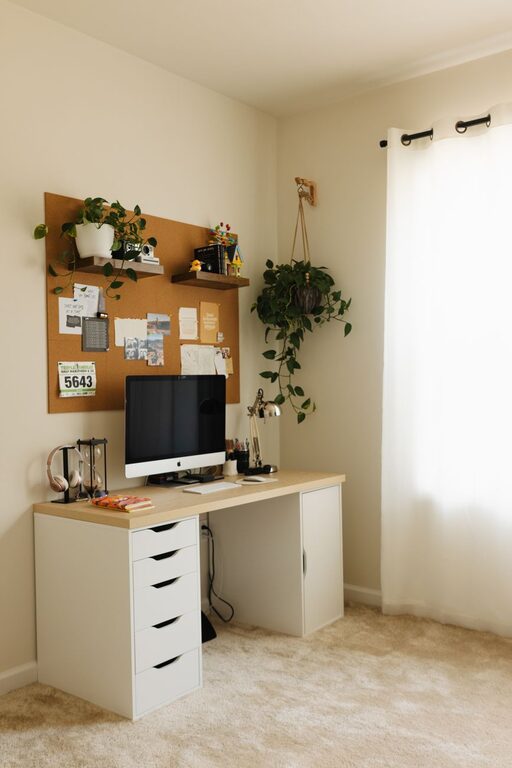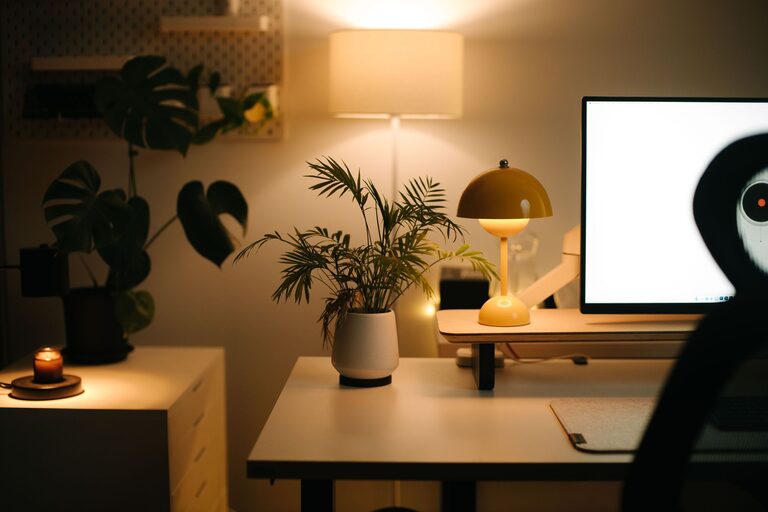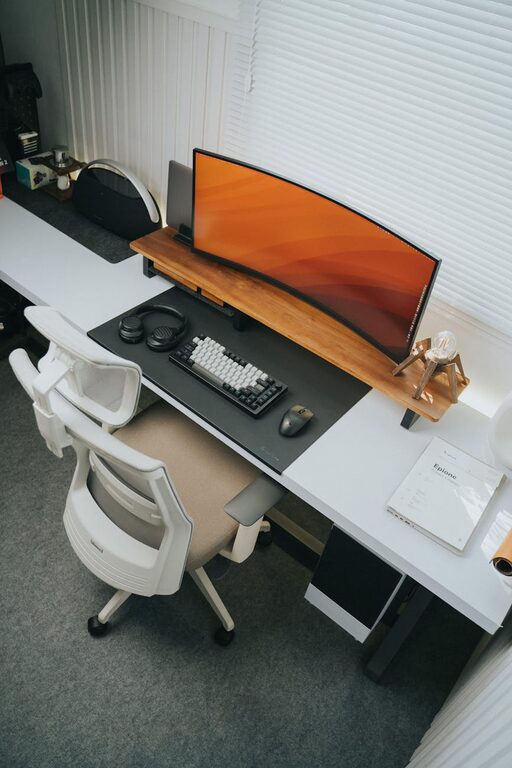
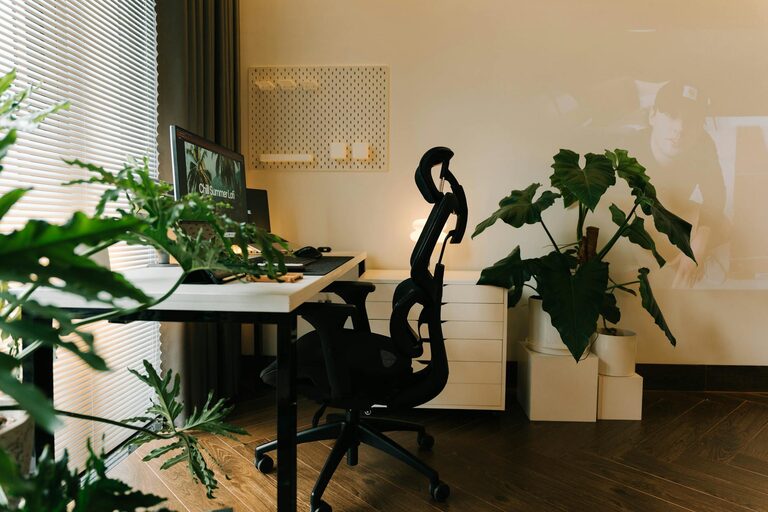
Creating a cozy and productive home office environment is essential for anyone working remotely or spending significant time on tasks at home. A well-designed workspace can boost your motivation, focus, and overall well-being. In this article, we’ll explore practical tips to help you build a home office that balances comfort and efficiency.
Why Creating a Cozy Yet Productive Home Office Matters
Working from home offers flexibility but also challenges like distractions and physical discomfort. Your workspace greatly influences how productive and comfortable you feel throughout the day. A cozy atmosphere supports relaxation and creativity, while a structured setup encourages focus and effective use of time.
Choose the Right Location in Your Home
Pick a Quiet Area
Select a spot away from noise and household traffic. If space allows, a separate room is ideal. If not, try a corner with some separation, such as room dividers or shelves.
Consider Natural Light
Natural daylight improves mood and reduces eye strain. Position your desk near a window if possible, but avoid screen glare by adjusting the angle of your desk or using blinds.
Invest in Comfortable, Ergonomic Furniture
Supportive Chair
A comfortable chair with good back support is crucial. Ergonomic chairs help maintain proper posture, reducing the risk of back pain and fatigue.
Suitable Desk Height
Your desk should allow your elbows to be at a 90-degree angle while typing. Adjustable desks are a good choice, giving the option to alternate between sitting and standing.
Organize Your Workspace Efficiently
Declutter Regularly
Keep only essential items on your desk. A clutter-free environment decreases distractions and helps you stay focused.
Use Storage Solutions
Drawers, shelves, and organizers keep supplies tidy and within reach. Label storage containers to save time when searching for items.
Manage Cables
Tidy cables can make your desk look clean and reduce frustration. Use cable clips or sleeves to bundle wires neatly.
Customize Your Space to Reflect Your Style
Choose Calming Colors
Soft or neutral colors, such as pastels or earthy tones, create a soothing atmosphere. Avoid overly bright or dark colors that might strain the eyes.
Add Personal Touches
Incorporate plants, artwork, or photos that inspire you. These small elements make your workspace more inviting and personal.
Use Proper Lighting
In addition to natural light, use adjustable desk lamps to ensure sufficient lighting during darker hours. Warm light bulbs tend to feel cozier.
Incorporate Productivity-Boosting Tools and Habits
Use a Planner or To-Do List
Write down daily goals to stay organized. Digital apps or physical planners work well depending on your preference.
Take Regular Breaks
Follow techniques like the Pomodoro method—work for focused intervals, then take short breaks. This helps prevent burnout and maintains productivity.
Minimize Distractions
Turn off unnecessary notifications and establish boundaries with household members during work hours.
Create Comfort with Temperature and Air Quality
Adjust Room Temperature
Keep your office at a comfortable temperature to stay focused and relaxed.
Improve Air Circulation
If possible, open windows or use fans and air purifiers for fresh air, which can improve concentration and energy.
Final Thoughts
Designing your home office to be cozy and productive is a balance between comfort and function. By choosing the right location, furnishing it ergonomically, organizing your supplies, and adding personal touches, you can create a space that supports your best work. Remember, regular breaks and good habits complement the physical environment for maximum productivity.
With a bit of effort, your home office can become a place you enjoy spending time in—helping you stay motivated and effective throughout your workday.
About the Author