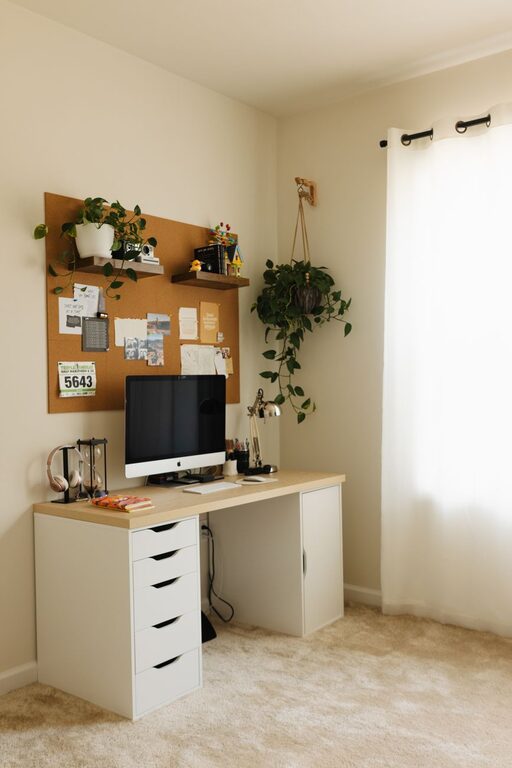
Creating a cozy and productive home office environment can transform your work-from-home experience. Whether you are freelancing, managing a business, or working remotely for a company, your workspace plays a major role in your focus and comfort. Here are some practical tips and ideas to help you design a home office where you enjoy spending time and get work done efficiently.
Choose the Right Location
Selecting the best spot for your home office is crucial. Ideally, pick a quiet area with minimal distractions. If possible, use a separate room rather than a shared space like the living room or kitchen. A separate room helps maintain boundaries between work and personal life.
If space is limited, create a dedicated nook or corner for your desk and essentials. Having a distinct zone helps signal to your brain that it’s time to work, improving concentration.
Invest in Comfortable Furniture
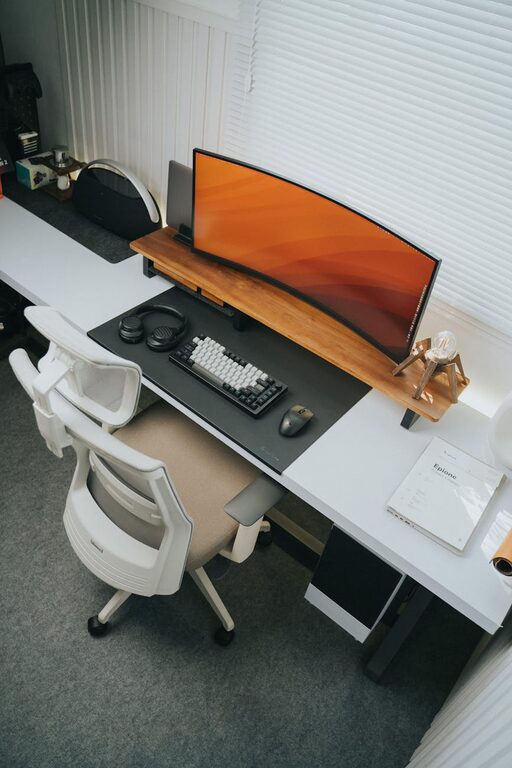
Comfort and ergonomics should be priorities. A supportive chair with adjustable height and lumbar support reduces strain and keeps you comfortable for long hours. Pair it with a desk at the right height for you – generally around elbow height when sitting upright.
Consider a desk that offers enough surface area for your computer, notebooks, and other items without feeling cluttered. Adjustable desks that let you alternate between sitting and standing can also boost comfort and energy.
Optimize Your Lighting
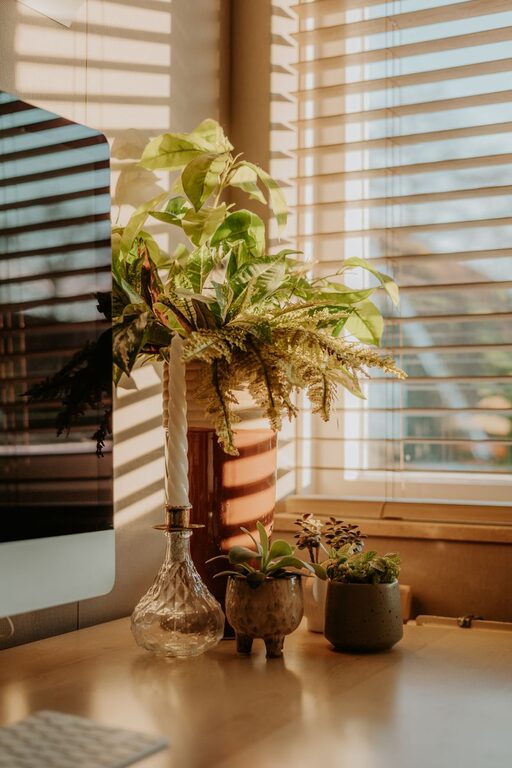
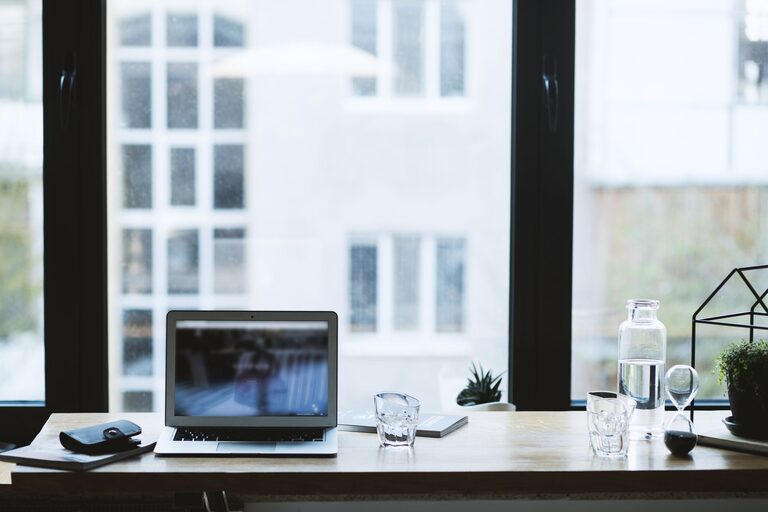
Lighting impacts mood, energy, and eye comfort. Whenever possible, position your desk near a window to benefit from natural light. Natural light helps reduce eye strain and improves alertness.
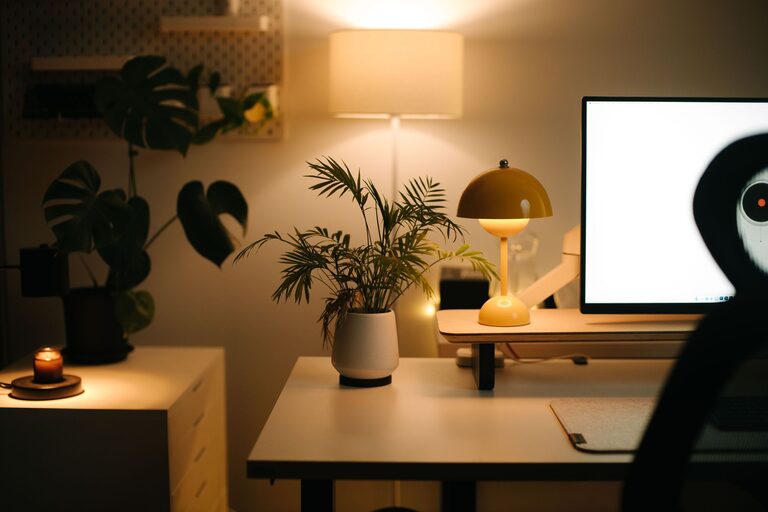
Supplement with layered artificial lighting: combine overhead lights, a desk lamp, and perhaps soft ambient light. A desk lamp with adjustable brightness is useful for focused tasks. Avoid harsh fluorescent lights that may cause glare or headaches.
Personalize Your Space
Adding personal touches makes your office inviting and can boost your mood. Decorate with a few meaningful items like photos, a small plant, or artwork. Plants in particular add color, improve air quality, and create a calming atmosphere.
Choose colours for your walls and decorations that inspire and calm you. Soft blues, greens, or warm neutrals often work well.
Organize and Declutter
A tidy workspace helps maintain focus and reduces stress. Use storage containers, shelves, and desk organizers to keep supplies and documents in order. Regularly clear away unneeded items.
Digital organisation is also important. Keep your computer files well-structured and back up important documents. Using apps for task management can keep your projects on track.
Minimize Noise and Distractions
Reducing noise improves concentration. Consider noise-cancelling headphones if you cannot control ambient sounds. Soft background music or white noise apps may also help.
Turn off phone notifications or place your phone out of reach during focused work sessions. Setting clear work hours and communicating boundaries to family or housemates prevents interruptions.
Keep Essential Supplies Handy
Stock your office with the tools you need daily. This might include notebooks, pens, chargers, and printer paper. Having everything within easy reach saves time and frustration.
Refresh supplies regularly so you don’t run out mid-task. Consider a small basket or drawer just for office essentials.
Create a Routine and Comfort Habits
Establishing a daily routine trains your mind to shift into work mode. Start with a morning ritual like making a cup of tea or stretching before sitting down.
Take regular breaks to rest your eyes and move your body. Small touches like a cozy blanket or a warm mug can make your breaks feel nurturing.
—
By paying attention to location, furniture, lighting, organisation, and personal touches, you can create a home office environment that balances comfort and productivity. Designing a space where you feel relaxed and focused helps you work smarter and enjoy your home office every day.
About the Author