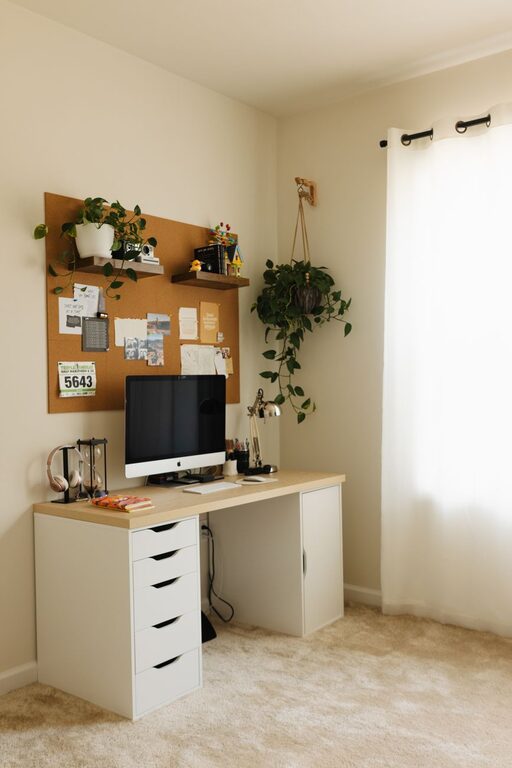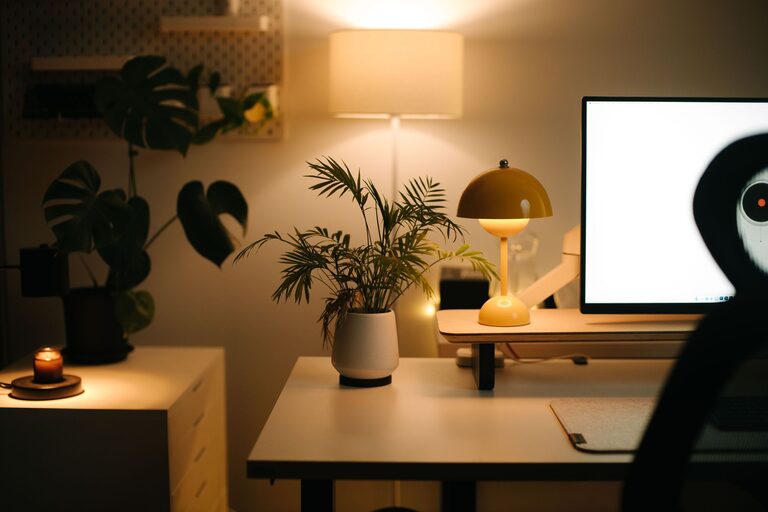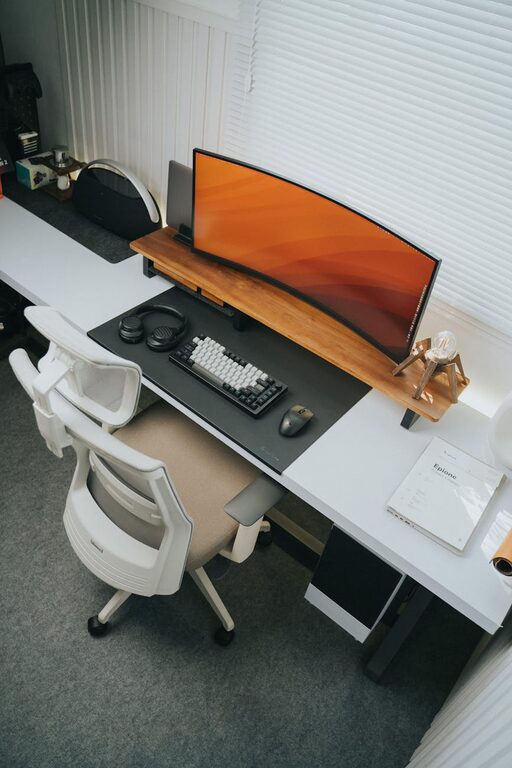

Working from home has become a common part of many people’s daily lives. While it offers flexibility, it can also present challenges—especially when it comes to maintaining focus and productivity. One of the key factors in creating an effective work-from-home routine is designing a relaxing home office environment. A well-planned workspace not only reduces stress but also boosts efficiency. Here are some practical tips to help you create a calming and productive home office.
Choose the Right Location
Find a Quiet Spot
Select a space in your home where you can work with minimal interruptions. This could be a spare room, a corner in the living room, or even a part of your bedroom. The quieter the area, the easier it is to concentrate.
Consider Natural Light
Position your desk near a window if possible. Natural light helps improve mood and reduce eye strain. If natural light is limited, invest in a good quality lamp with adjustable brightness.
Declutter Your Workspace
A cluttered desk can lead to a cluttered mind. Keep only essential items on your desk to minimize distractions. Use organizers, drawers, or shelves to store paperwork, electronics, and stationery neatly.
Tips for Decluttering
– Sort through papers regularly and recycle what you don’t need.
– Use cable management solutions to keep wires tidy.
– Keep personal items minimal to maintain a professional atmosphere.
Choose Comfortable and Ergonomic Furniture
Invest in a Good Chair
Comfortable seating is crucial to avoid back pain and fatigue. Look for ergonomic chairs that provide proper lumbar support and adjustable settings.
Desk Height and Position
Ensure your desk height allows your arms to rest comfortably at a 90-degree angle. Your computer screen should be at eye level to prevent neck strain.
Use Soothing Colors and Decor
Colors affect mood and productivity. Soft, neutral colors like light blues, greens, and earth tones create a calming environment. Avoid overly bright or flashy colors that may distract you.
Add Personal Touches
Include a few personal items that bring joy, such as plants, artwork, or photos. Green plants not only add color but also improve air quality and create a sense of calm.
Control Noise and Distractions
Noise-Cancelling Options
If you cannot avoid background noise, try noise-cancelling headphones or white noise machines to help you focus.
Set Boundaries
Communicate with family members or housemates about your working hours to minimize interruptions.
Incorporate Break Areas and Movement
Taking short breaks improves concentration and creativity. If possible, designate a spot where you can briefly step away from your desk. Stretch, walk around, or practice a few deep breaths.
Use Reminders
Set timers or use apps to remind yourself to take breaks regularly.
Maintain Good Air Quality and Temperature
Fresh air and comfortable temperatures can affect your productivity significantly.
– Open windows regularly or use air purifiers.
– Adjust room temperature to a comfortable level, usually between 20-22°C.
– Avoid overly dry or humid environments when possible.
Organize Your Digital Workspace
A relaxing environment isn’t just physical. Your computer desktop and files should be organized to reduce stress.
Tips for Digital Decluttering
– Use folders to sort documents.
– Close unnecessary tabs and apps.
– Use tools or apps to boost focus, such as task managers or website blockers.
Set a Consistent Routine
Finally, the environment you create works best when paired with a routine.
– Start and end work at consistent times.
– Dress comfortably but professionally to signal your brain you’re in work mode.
– Schedule your most demanding tasks during your peak focus hours.
Final Thoughts
Creating a relaxing home office environment helps you stay productive and motivated. By focusing on comfort, organization, and atmosphere, you can enjoy your work-from-home experience more thoroughly. Remember, your workspace should be a place where you feel calm, focused, and ready to perform your best every day.
About the Author